
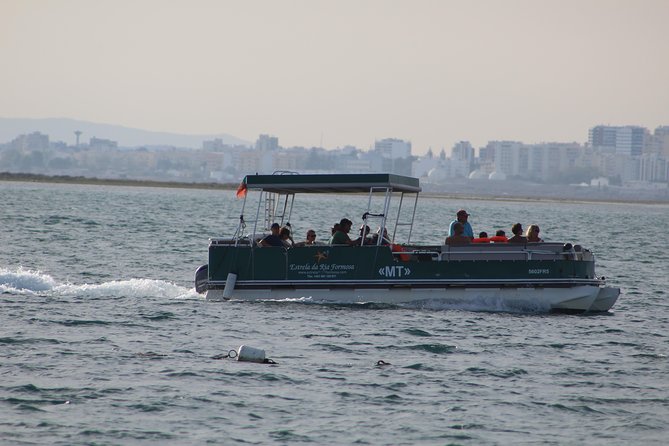
Reviewed · FARO ISLAND HOPPING
4 Stops | 3 Islands & Ria Formosa Natural Park – From Faro
The most appealing part of this Faro boat trip is its mix of wild shore, working fishing villages, and shifting tidal water. In a few hours, you move from the remote edge of Barreta Island to Farol’s lighthouse and then into the everyday life of Culatra.
I like the small boat, with no more than 12 people, and the chance to see the Ria Formosa’s birds and oyster beds from the water. I also like the choice between a morning outing with time for a local lunch and a shorter afternoon trip. The main drawback is that the islands are quiet rather than packed with sights, and wind, waves, and tides can change the order or shorten a stop.
Key points to know before you book
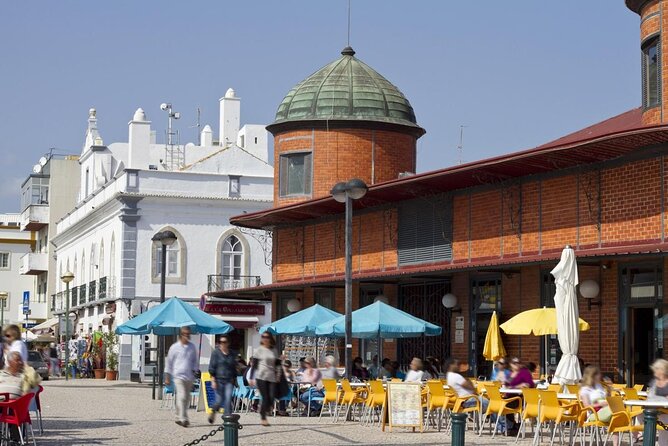
- Three distinct island experiences: Barreta feels remote, Farol has a relaxed beach and lighthouse setting, and Culatra offers a working fishing village.
- A small catamaran group: The boat carries no more than 12 people, giving guides such as João, Ivan, JC, Oscar, and Filipe room to speak with the group.
- Choose your timing carefully: The 10 a.m. trip lasts about five hours and leaves two hours for lunch in Culatra. The 2 p.m. trip lasts about four hours and allows roughly 45 minutes in the village.
- Wildlife is part of the trip: Look for herons, storks, spoonbills, gulls, cormorants, and possibly a fishing eagle.
- Bring a warm layer: The boat can feel chilly when the wind rises, especially in the morning.
- This is a relaxed nature trip: You get scenery, local life, and time on the water, but not a packed schedule of attractions.
Setting out from Faro into the Ria Formosa
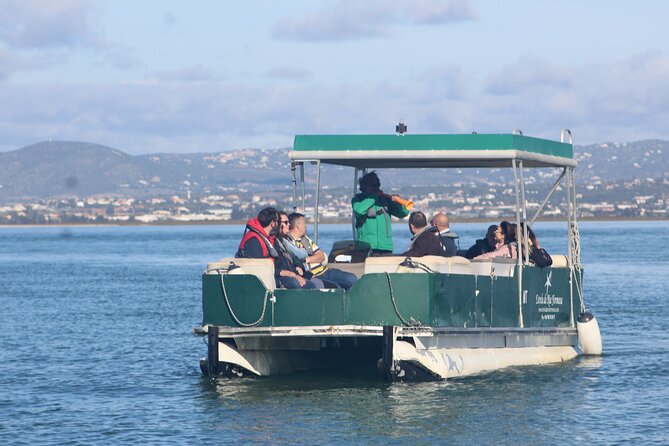
You meet at Cais das Portas do Mar on Rua da Porta Nova in Faro. The boat heads into the Ria Formosa Natural Park, a tidal system of channels, mudflats, barrier islands, and shallow water that changes its look during the day.
That changing water is one of the best reasons to take the trip by boat. At low tide, oyster beds and areas where people gather clams become easier to see. At high tide, channels fill and the route back can look entirely different from the route out.
The tour uses a comfortable catamaran rather than a large sightseeing vessel. That matters. With a maximum of 12 people, you can usually hear the guide’s explanations and ask questions without shouting across a crowded deck.
Guides vary by departure, but several names appear repeatedly in the experience details: João, Ivan, JC, Oscar, Filipe, Sergio, and Joac. Their approach is part of the outing. The strongest guides explain the birds, fishing life, oyster cultivation, island history, and navigation while also watching the wind and waves closely.
You should expect a boat ride first and a walking visit second. The schedule gives you time to explore, but each stop remains fairly short. If you prefer a packed tour with constant activity, this may feel slow. If you enjoy open water, quiet beaches, and small communities, the pace works well.
More Island Hopping Tours in Portugal:
- Faro: Ria Formosa Faro Islands Boat Tour
★ 4.8 · 2,588 reviews - Ria Formosa – Boat trip to the 3 Islands: Armona | Culatra Island | Lighthouse
★ 5.0 · 1,872 reviews - From Olhão: Ria Formosa 3-Island Full-Day Tour
★ 4.8 · 1,523 reviews
Barreta Island and the ocean edge
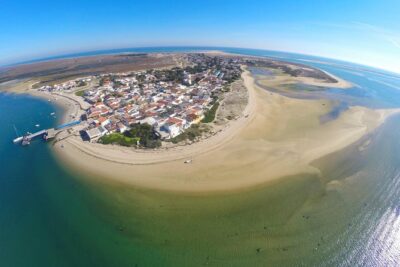
The first island is Barreta, also called Deserta Island. It is the most remote-feeling stop and has little development compared with the other islands.
You get about 45 minutes here, with free time for swimming or snorkeling. Masks are supplied, though food, drinks, and snacks are not. Bring your own water and anything else you want during the stop.
The island sits near the meeting point of the Ria Formosa and the Atlantic. The water can become turbulent here, and the open-ocean side may have larger waves. That gives the stop a wilder character, but it also means conditions can affect swimming and the boat’s route.
Barreta is a good place to slow down and look around. There is very little to occupy you beyond the shore, water, and sparse island setting. One restaurant and a fishing shack are associated with the island, but do not treat this stop as a food destination.
The island also has a darker historical association with a former leprosy colony. The tour can provide context about the island’s past, though this is not a dedicated history visit. The main appeal is the contrast between a remote barrier island and Faro’s urban waterfront.
If you want a swim, pack a swimsuit under your clothes and use the supplied mask. If you are sensitive to wind, keep a jacket close. Even on a sunny day, the ride and exposed shore can feel cool.
Farol Island and Cabo de Santa Maria
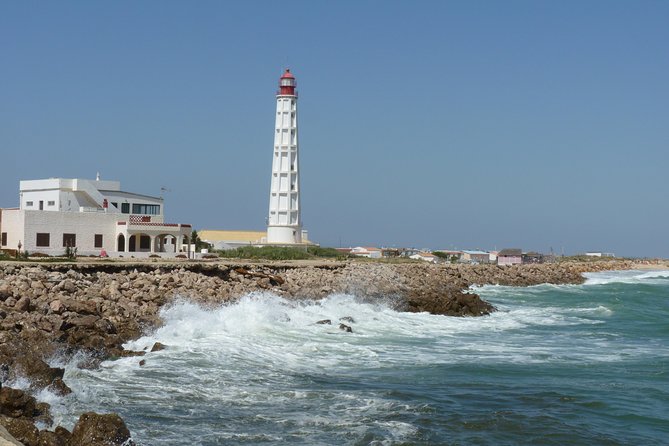
The next stop is Ilha do Farol, or Farol Island. You have about 45 minutes to walk near the lighthouse and see Cabo de Santa Maria, where the waters of the Ria Formosa meet the ocean.
Farol feels more settled than Barreta. Small cottages, beach paths, and a calm seaside atmosphere give it a relaxed holiday character. The visit is less about a formal attraction and more about seeing how an island community fits between lagoon and ocean.
The lighthouse gives you a useful point of reference. From here, you can understand the geography of the barrier islands more clearly: calm inner waters on one side and open Atlantic shore on the other.
Forty-five minutes is enough for a short walk and photographs, but it is not a long beach visit. You will want to keep an eye on the meeting time, especially if you stop for a drink or wander beyond the main area.
The short visit also means the tour favors variety over depth. You see several places in one outing rather than spending half a day on one island. That is good value for a first look at the Ria Formosa, but less satisfying if you want a slow beach day.
Culatra Island and working island life
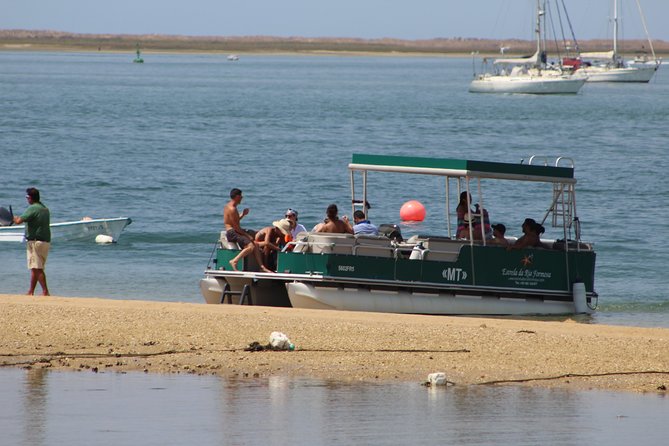
Culatra is the most useful stop for seeing local life. The island includes a fishing village, and the tour gives you a closer look at a community shaped by the lagoon, fishing, shellfish gathering, and the sea.
The timing depends on your departure:
- On the morning tour, you stop for about two hours. That gives you time to walk around and eat lunch at a typical island restaurant, or bring a picnic.
- On the afternoon tour, the stop lasts about 45 minutes and focuses on visiting the fisherman’s village.
The morning trip is the better choice if lunch is part of your plan. Lunch is not included in the $48.37 price, but the guide can help arrange or recommend a restaurant. Meals described during the experience include fresh fish, salmon, and other simple seafood dishes. You should still budget separately for food and drinks.
I like the morning schedule because two hours gives Culatra room to breathe. You can eat without rushing, walk through the village, and notice the practical details of island life. The tradeoff is a longer day, close to five hours, and less time afterward for other Faro plans.
The afternoon option is more efficient. It lasts about four hours and leaves time for a snack or dinner back in town, but the shorter Culatra visit gives you only a quick impression. Choose it if your schedule is tight or if you are more interested in the boat ride and scenery than in a long meal.
Culatra can feel plain if you expect a string of major sights. There is no promise of a formal museum, performance, or large attraction. Its value is in the ordinary details: fishing activity, village streets, boats, shellfish work, and the contrast with the beach side of the island.
One useful point is that Culatra and Farol are part of the same barrier-island system, even though they feel like separate stops. The trip helps you see how one island can contain different worlds: a lighthouse and beach setting at Farol, then a working fishing settlement farther along.
Same water, a different run of islands:
- Ria Formosa Natural Park and Islands Boat Cruise from Faro
★ 5.0 · 1,314 reviews - From Faro: 4 Stops, 3 Islands in Ria Formosa Catamaran Tour
★ 4.6 · 1,129 reviews - 2 Stop | 2 Islands & Ria Formosa Natural Park – From Faro
★ 5.0 · 1,045 reviews - Olhão: 4-Hour Ria Formosa Islands Tour
★ 3.7 · 675 reviews
Oyster beds, shellfish, and the tidal park
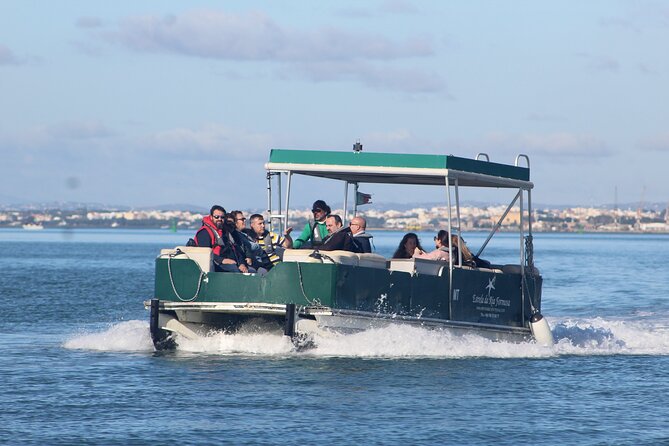
The oyster culture stop lasts about 15 minutes, and you stay on the boat. Do not expect to meet oyster farmers or watch a full harvesting demonstration. The guide explains how cultivation works while you look across the beds and tidal channels.
This brief stop adds something important to the trip. The Ria Formosa is not only a pretty waterway. It is also a place where people make a living from the lagoon. Seeing the oyster areas and people gathering clams gives the scenery an economic and human side.
The experience can vary with tide and conditions. At some departures, visibility or timing may limit what you see. The boat may also skip or alter a stop if wind, waves, or tidal movement make the planned route unsafe.
That flexibility is sensible, but it can disappoint if you have planned your day around one particular stop. The operator states that the route can change with sea conditions, and the full outing requires good weather. Keep your expectations open and treat the exact order as changeable.
Birds and wildlife from a low boat
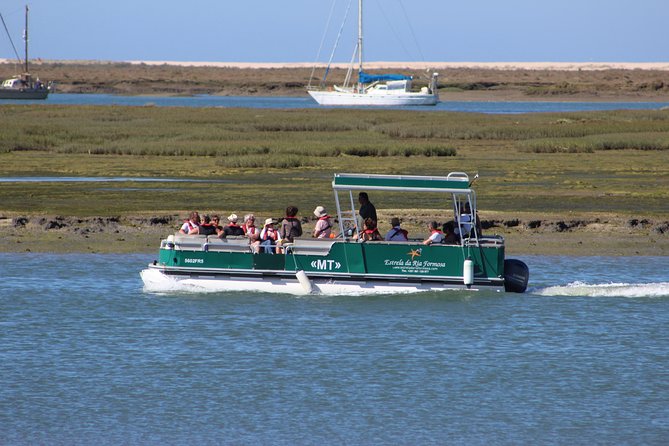
The Ria Formosa is a strong setting for birdwatching. Keep watch for storks, spoonbills, herons, gulls, cormorants, and a fishing eagle. The boat’s route through shallow water and island channels gives you repeated chances to scan the shore.
You will get more from this part if you bring patience. Birds may be easy to spot in one channel and absent in the next. This is not a guaranteed wildlife encounter, and the trip does not promise dolphins, whales, or unusual species.
The guide can make a big difference. A good skipper points out birds before they disappear and explains how the tidal area supports fishing and shellfish work. Guides such as Ivan, João, and Filipe are described as especially strong at explaining the park and local life, while JC is known for a lively, humorous style.
The catamaran also gives you a steadier viewing platform than a very small open boat, though wind can still make the ride lively. Keep phones and hats secure. One guide even turned back to retrieve a hat blown away by the wind, but you should not count on every lost item being recoverable.
What the boat ride feels like
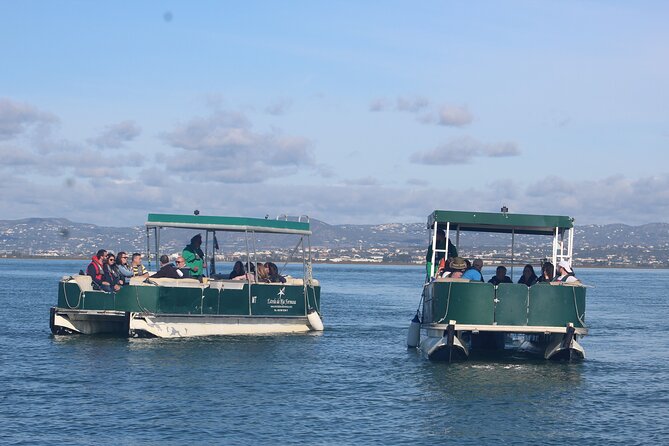
The ride is generally calm and scenic, but it is not always smooth. Wind can rise, waves can slap the boat, and the return to Faro may be wetter than the outward journey. Skippers monitor conditions and may change the order to avoid the roughest water.
That is a strength when handled well. A skipper who explains the reason for a route change is doing the job properly, even if you miss a planned angle or arrive at a stop later than expected.
Pack a light jacket or fleece, even in warm weather. Wear practical shoes for walking on island paths, and bring sun protection. A swimsuit is useful for the Barreta stop, while water and snacks matter because neither food nor drinks are included.
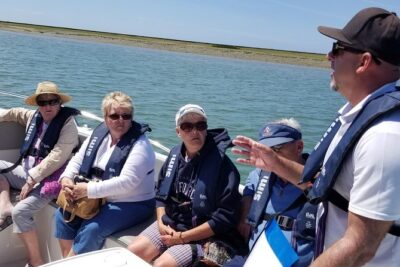
Life jackets are provided, and snorkeling masks are included. The activity is not recommended for people with motor difficulties, and children must be accompanied by an adult.
Is $48.37 a fair price?
At $48.37 per person, the trip offers four to five hours on the water, a professional skipper and local guide, three island stops, wildlife viewing, and the oyster-bed visit. The small group is an important part of the value because you are not simply being carried around in a large boat with little chance to speak to the guide.
The price does not include lunch, snacks, or drinks. If you take the morning trip, add the cost of a Culatra meal. That raises the total, but it can also turn the stop into one of the most memorable parts of the day, especially if you want fresh fish in a working island community.
The value is strongest for people who want an overview of the Ria Formosa. You see remote shore, a lighthouse island, a fishing village, tidal channels, birds, and oyster beds in one half-day outing.
The value is weaker if you want long beach time, a formal guided walk, or a tightly timed sightseeing program. A few people may find the islands too quiet, and the short stops can feel rushed if you want to explore every path.
The published score is 4.9 out of 5 from more than 3,000 ratings, with 98 percent recommending the activity. That strong response fits the tour’s main strengths: friendly guides, good scenery, a comfortable boat, and a clear sense of place. Still, conditions and guide style can vary, and the outing is not equally suited to every kind of visitor.
Morning or afternoon: which one should you choose?
Choose the 10 a.m. morning tour if you want the fullest version of the experience. It lasts about five hours, gives you two hours in Culatra, and allows time for a proper island lunch or picnic.
Choose the 2 p.m. afternoon tour if you want a shorter outing. It lasts about four hours, includes a 45-minute Culatra visit, and works better when you have evening plans or prefer not to stop for a full meal.
The morning trip may feel cooler at first, while afternoon light can make the return particularly attractive. The exact experience depends on tide, wind, and weather, so do not assume that one departure will always have the same route.
You can cancel without charge up to 24 hours before the start time. Changes or late cancellations are not accepted inside that period. If poor weather cancels the trip, you are offered another date or a full refund. A minimum of two people is required for the activity to operate.
Who should book this Faro boat trip?
I would book it if you want a compact introduction to the Ria Formosa and prefer local life and nature to a checklist of grand sights. It suits couples, families with accompanied children, solo visitors comfortable in a small group, and anyone interested in birds, fishing, tides, or island food.
It is especially useful early in a Faro stay. You get a clear sense of how the barrier islands fit together, then can decide later if you want a longer beach visit or another park activity.
I would think twice if you dislike wind, boat spray, or changing plans. I would also skip it if your main goal is an extended swim or a long, formal history tour.
For the best chance of a relaxed day, choose the morning departure, bring a warm layer, carry water, and set aside money for lunch. If your schedule is tight, take the afternoon trip and treat Culatra as a brief look at island life rather than a full village visit.
FAQ
Where does the tour start and finish?
The tour starts at Cais das Portas do Mar, Rua da Porta Nova, 8000-250 Faro, Portugal. It ends back at the same meeting point.
How long does the experience last?
The morning departure at 10 a.m. lasts about five hours, including time for lunch in Culatra. The afternoon departure at 2 p.m. lasts about four hours and includes time for snacks or a shorter village visit.
Which islands does the boat visit?
The route visits Barreta, also called Deserta Island, Farol Island, and Culatra Island. It also includes a stop to observe oyster cultivation in the Ria Formosa.
Is lunch included?
No. Lunch is not included. The morning tour allows about two hours in Culatra so you can eat at a typical island restaurant or bring a picnic. Food, drinks, and snacks are also not included.
Are snorkeling masks and life jackets provided?
Yes. Snorkeling masks and life jackets are included. Swimming or snorkeling is possible at Barreta Island, depending on conditions.
Can the route change or be canceled?
Yes. The route may change because of sea conditions and tides. The experience requires good weather and a minimum number of people. If the operator cancels for either reason, you are offered another date or a full refund.
Newest island reviews around Portugal
- Pico Ruivo Sunrise Hike and 4×4 Island Tour from Funchal★ 5.0 · 2 reviews
- Faro – Ria Formosa tour with visit to 2 islands (Deserta, Farol) 3.5 hours★ 5.0 · 78 reviews
- Hop On Hop Off 3 Islands: Deserta, Farol and Culatra★ 4.5 · 56 reviews
- Ria Formosa Boat Sunset Islands Tour from Faro★ 5.0 · 104 reviews
- Islands Tour: Half Day Cruise in Ria Formosa Natural Park★ 4.5 · 160 reviews
- Guided Nature Tour & Hop On Hop Off 3 Islands★ 5.0 · 7 reviews
- Olhão: Ria Formosa 3 Islands Guided Day Trip by Boat★ 4.7 · 138 reviews
- Olhão: 3 Islands Guided Sightseeing Tour with Lunch★ 4.7 · 172 reviews
Faro Island Hopping, compared.
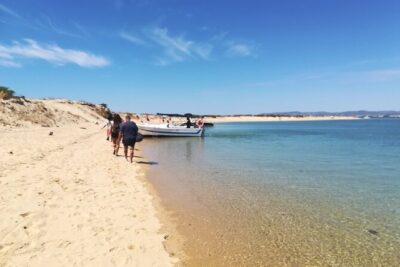
Ria Formosa – Boat trip to the 3 Islands: Armona | Culatra Island | Lighthouse
Read our review →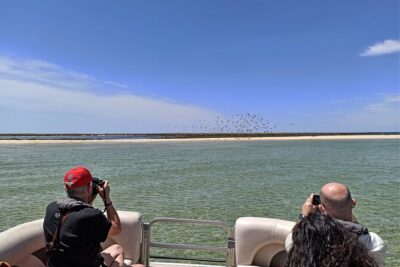
Ria Formosa Natural Park and Islands Boat Cruise from Faro
Read our review →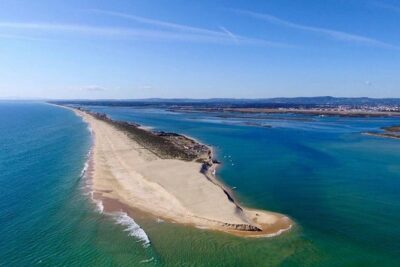
2 Stop | 2 Islands & Ria Formosa Natural Park – From Faro
Read our review →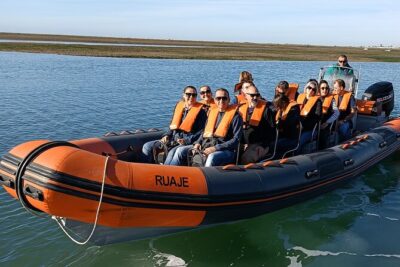
Islands Tour: Half Day Cruise in Ria Formosa Natural Park
Read our review →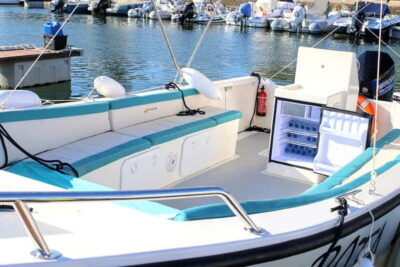
Olhão: Ria Formosa 3 Islands Guided Day Trip by Boat
Read our review →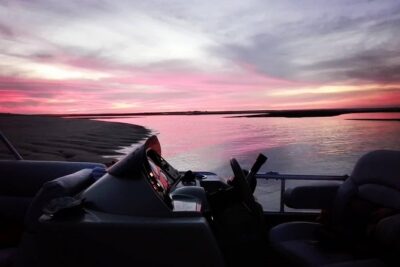
Ria Formosa tour with visit to 2 islands (Deserta, Farol) 3.5 hours
Read our review →Browse the lists this tour appears in