
Reviewed · OSLO ISLAND HOPPING
Oslo Nature Walks: Island Hopping Tour
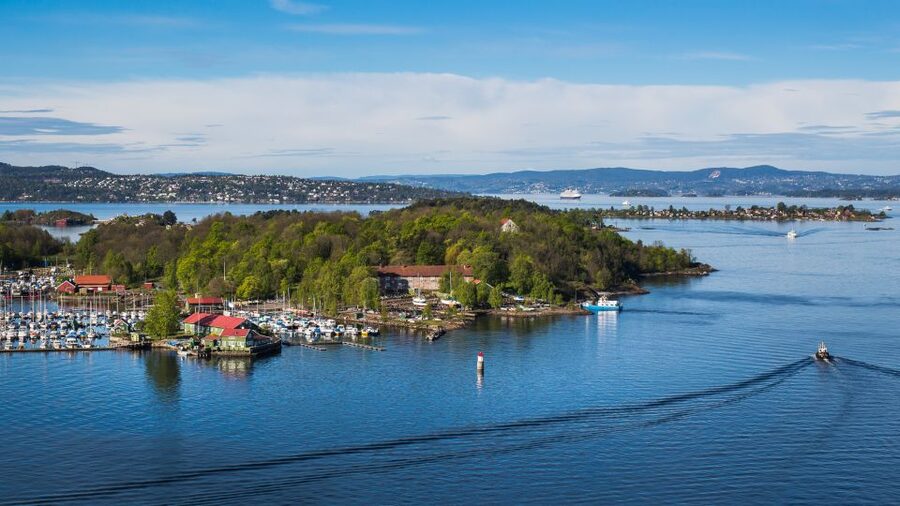
Oslo’s fjord is not just a pretty view from the city waterfront. In a few ferry stops, it turns into quiet islands with forests, beaches, sheep pastures, old cannons, and tiny wooden cabins. This tour gives you the useful local stories along with the scenery, so you see much more than you would by riding the ferry alone.
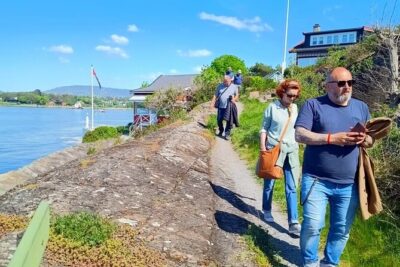
I like the combination of public ferry rides and guided walking, which keeps the day moving without feeling like a bus tour. I also like the thoughtful winter touches: guides such as Shaf, Giovanni, Lola, and Patrick have supplied hot drinks, cookies, and even crampons on icy days. The main catch is the walking. Expect about 7 kilometers on gravel, dirt, and stones, and bring proper shoes.
At a glance: the details that matter
- Three islands in the warmer months: From April through August, the route usually takes 4 to 4.5 hours and includes Hovedøya, Gressholmen, and Lindøya.
- Two islands in the colder months: From September through March, the tour lasts about 3.5 hours, with a shorter route and fewer stops.
- A nearly 1,000-year-old abbey: Hovedøya supplies the strongest historical stop, with ruins tied to Norway’s move from the Viking age into Christian Europe.
- About 7 kilometers on foot: You will walk on uneven ground, including gravel paths, dirt trails, and stones.
- Picnic with a fjord view: Bring lunch from April through September. From October through March, warm drinks are provided.
- A guide makes the difference: Patrick, Shaf, Giovanni, Jon, Neil, Carolina, and other English-speaking guides are known for local stories, practical Oslo tips, and attentive pacing.
Why Oslo’s island ferry route is worth your time
The best feature of this outing is its sense of contrast. You begin at Rådhusbrygge 4, beside Oslo’s central waterfront, then trade city streets for open water and island paths. The ferry rides are short, generally 10 to 15 minutes, but they reset the mood each time.
I find this especially useful early in an Oslo visit. The guides do not just point out scenery. They explain Norway’s past, local customs, the importance of nature, and how the islands fit into city life. Guides including Shaf, Patrick, and Giovanni have also been praised for restaurant suggestions and ideas for walks beyond the center.
The trip is active without being an all-day hike. Still, do not mistake it for a gentle sightseeing cruise. You will walk for roughly 10,000 steps, and wet weather can make the ground slippery. A recent winter outing even included crampons because conditions were icy. That kind of practical care is valuable, but you should still arrive dressed for the forecast.
More Island Hopping Tours in the world:
- Santorini: Volcanic Islands Cruise with Hot Springs Visit
★ 4.4 · 10,869 reviews - Stockholm: City Archipelago Sightseeing Cruise with Guide
★ 4.3 · 10,798 reviews - Full-Day Dubrovnik Elaphite Islands Cruise with Lunch and Drinks
★ 5.0 · 8,823 reviews
Starting with the ferry from Rådhusbrygge 4
Meet near the public ferry departure area at Platform E, next to the Fisketorget restaurant. Arrive 10 minutes early. The departure point is central, but the waterfront can be busy with several ferry movements, so give yourself enough time to find the correct platform.
Your ferry ticket is included, and the boat ride to the first island takes about 10 minutes. This is public transport, not a private sightseeing vessel, which is part of the appeal. You get to see how Oslo residents use the fjord as part of ordinary city life.
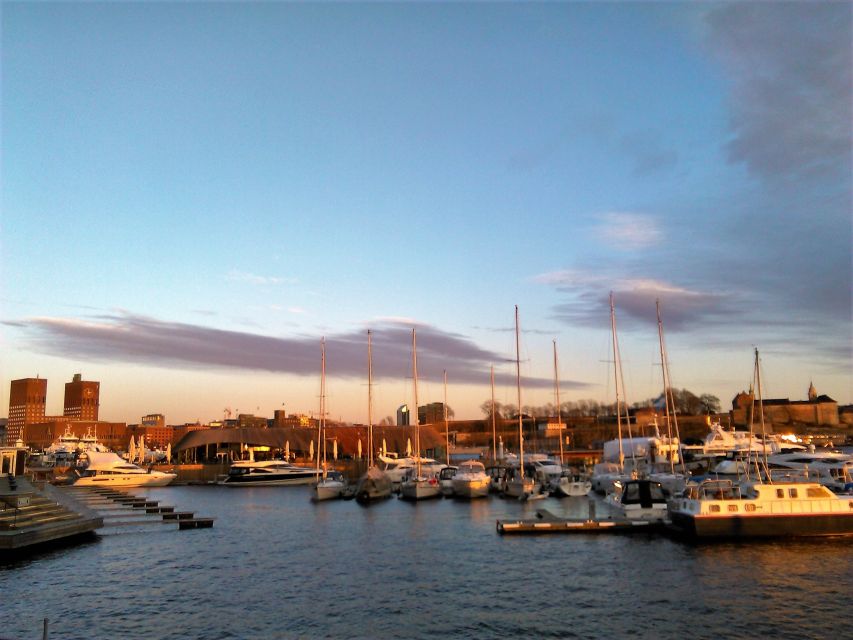
The return ride at the end also gives you a fine approach to the harbor. Look for Akershus Fortress, City Hall, and the renewed Aker Brygge waterfront as the city comes back into view. That final arrival is a pleasant way to connect the quiet islands with Oslo’s urban center.
Hovedøya: abbey ruins, beaches, and old cannons
Hovedøya, meaning Main Island, is the historical heart of the route. You spend about an hour here, walking through a mix of woodland, open pasture, rocky shoreline, and old military remains.
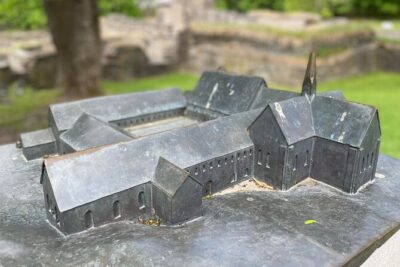
The abbey ruins are the main draw. English monks arrived nearly 1,000 years ago as Norway moved away from its Viking-era beliefs and toward Christian Europe. The surviving stone rooms and chambers make that change easier to picture than a museum display would. You can walk among the remains while your guide explains how the abbey became a powerful religious center.
The site is not presented as a long formal lecture. The strongest guides use the ruins as a starting point for stories about Oslo, Norway, religion, and national history. Giovanni, Shaf, Patrick, and others have been praised for making those details clear and easy to follow.
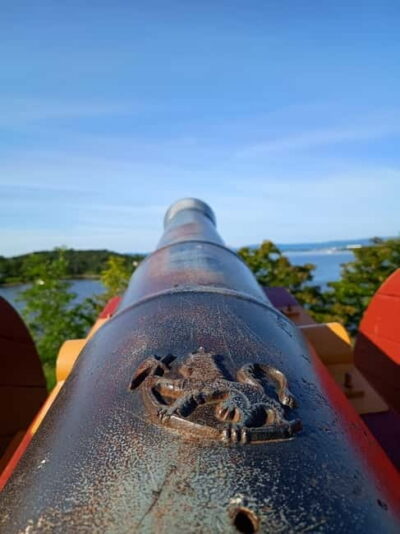
After the abbey, the path leads through birch forest and sheep pasture toward old ramparts and cannons linked to the Napoleonic Wars in the 19th century. It is a surprising sequence: medieval religious ruins, then military defenses, followed by open coastal views.
You also get time for beaches and lookout points. In fair weather, Hovedøya is likely the most rewarding place for photographs. The coastline feels rugged rather than manicured, and the short ferry ride has carried you far from the city mood.
The limitation is time. An hour goes quickly once you include the ruins, walking, photographs, and commentary. If you prefer to linger at every viewpoint, you may wish for a longer stop. The tour keeps a schedule because the group must catch the next public ferry.
Gressholmen: nature reserve and traces of Oslo’s past
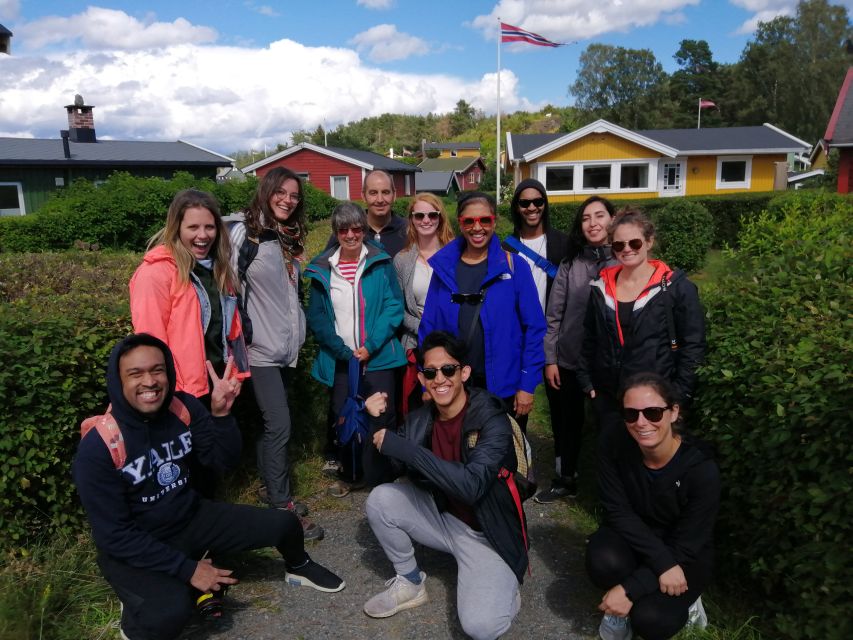
The next ferry takes around 10 minutes, and the tour then spends about an hour on Gressholmen. This island combines natural space with unusual pieces of local history.
You visit the remains of what was Oslo’s first airport and see buildings and sites connected with the island’s military past. These are not grand monuments. Their value is in the story they tell about how the fjord islands served practical purposes before becoming places for recreation and quiet walks.
Gressholmen also has a nature reserve. The setting helps explain why Oslo residents prize easy access to the outdoors. You are still close to the center, yet the pace is slower and the sound of the city fades.
The balance here is less about one famous sight and more about the combination of nature and overlooked history. I would not choose this tour only for the airport remains, but they add an unusual layer to the day. The guide’s explanation matters because the sites may not speak for themselves.
In the cooler months, Gressholmen may be one of the two islands visited instead of a three-island route. The shorter winter schedule lasts about 3.5 hours rather than four to 4.5 hours. That makes the experience easier to fit into a winter day, but you will see less of the island chain.
Same water, a different run of islands:
- Blue cave, Mamma Mia and Hvar, 5 islands speedboat tour
★ 5.0 · 7,150 reviews - Split/Trogir: Blue Cave, Mamma Mia, Hvar and 5 Island Tour
★ 4.6 · 6,320 reviews - Dubrovnik: Elaphiti Islands Full-Day Cruise with Lunch
★ 5.0 · 5,938 reviews - Blue Lagoon & 3 Islands Cruise with Lunch from Split
★ 4.5 · 5,756 reviews
Lindøya: cabin paths and flower-filled gardens
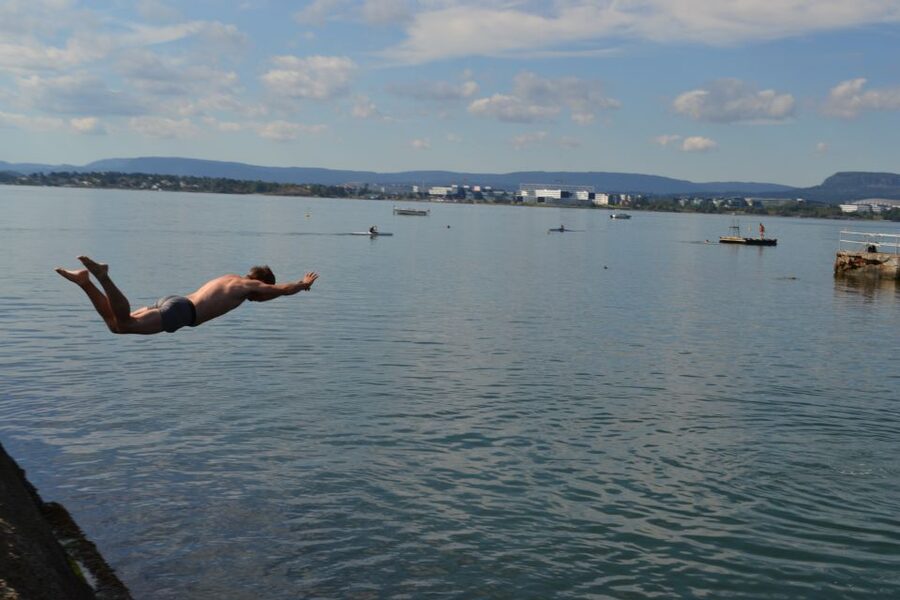
The final main stop on the longer warm-season route is Lindøya, reached by a ferry ride of about 15 minutes. You spend roughly 90 minutes here, making it the longest walking section.
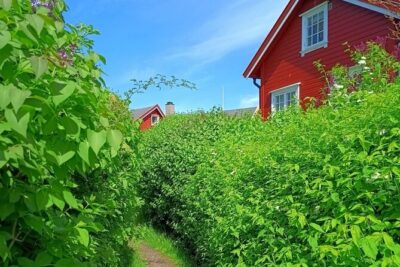
Lindøya is a cabin island, and its charm comes from the small details. Expect traditional wooden homes, gardens, narrow paths, and bright flowers set against the fjord. The island offers a glimpse of a Norwegian holiday retreat rather than a formal attraction.
This is where the pace feels most like a local walk. You wind through village paths, pause at viewpoints, and see how private summer cabins share a small island with public walking routes. The homes and gardens contrast with the surrounding water and low wooded hills.
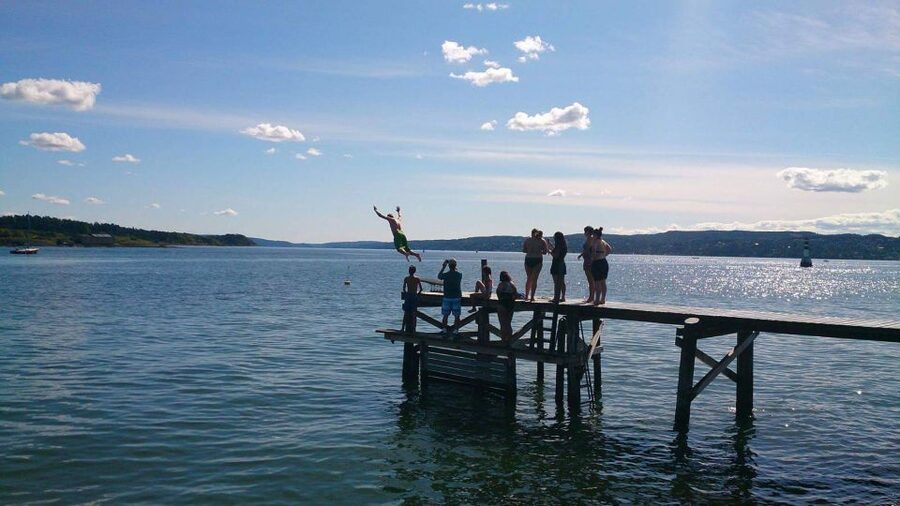
The longer stop also gives you room for a picnic. From April through September, bring your own lunch, water, and perhaps swimwear and a towel if you want to make use of a beach when conditions allow. A kiosk may be open for snacks or ice cream, but opening hours and weather affect that option, so do not depend on it for your meal.
From October through March, the tour is shorter and warm drinks are provided by the guide. Coffee, tea, hot chocolate, and gingerbread have been part of the winter break on some outings. That is a small but welcome detail when you have been outside in cold or wet weather.
What the ferry rides add to the experience
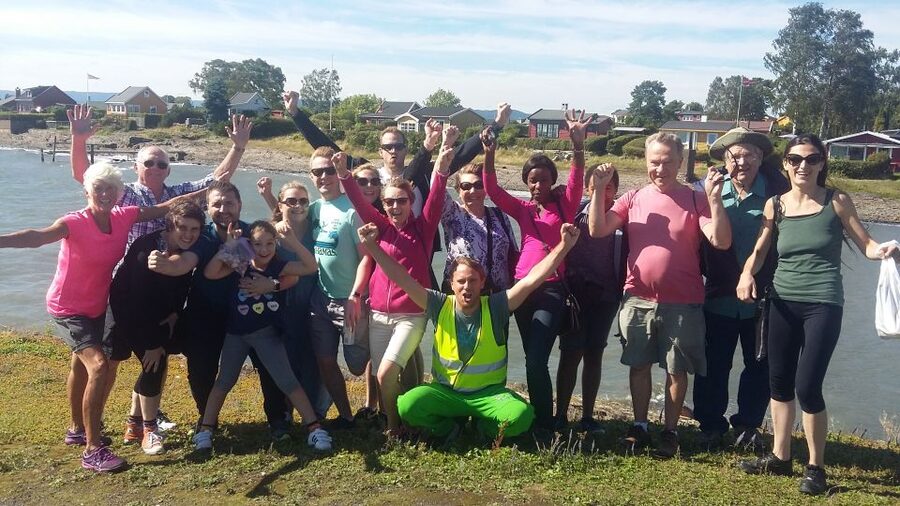
The boats are not just transfers between walking sections. They give you changing views of Oslo’s harbor, islands, hills, and waterfront buildings. Ten or 15 minutes is enough to rest your legs, take photographs, and listen to the guide without turning the day into a passive cruise.
Because you use public ferries, timing matters. The group must return to the pier at the right moment, and a slow walker may feel the schedule more than a fast one. Guides have been praised for keeping an eye on the whole group and adjusting the pace for people with difficulties, but the route still requires steady movement.
The ferry system also makes the tour good value. For $69 per person, you are paying for the guide, ferry transport, and a full half-day of walking and interpretation. You could visit some of these islands on your own with a public ferry, but you would need to work out the route, ferry connections, and historical background yourself. The guide is the part that turns a simple boat trip into a coherent outing.
Weather, footwear, and what to carry

Oslo weather can change quickly, and the tour continues in rain. Bring rain gear because it is not included. A waterproof layer is more useful than a small umbrella on uneven paths and open ferry decks.
Wear good trail shoes. Comfortable city sneakers may be fine in dry conditions, but gravel, dirt, stones, and wet ground call for footwear with a firm sole. In winter, icy sections are possible. One guide supplied crampons during particularly slippery conditions, but that should be seen as a helpful extra, not a substitute for sensible clothing.
Carry a small backpack with:
- Water
- Lunch from April through September
- Swimwear and a towel if you want the option of a beach stop
- A warm layer
- Rain protection
- Your phone or camera
The picnic break is part of the pleasure, especially when you find a spot overlooking the fjord. It is also a practical reason to bring food. A kiosk may be open, but it is not guaranteed.
How the guides shape the day
The strongest part of this experience is the human element. Guides such as Patrick, Shaf, Giovanni, Jon, Neil, Carolina, Lola, Josh, and Laura have been praised for warmth, humor, local advice, and clear explanations.
That range of names matters because the exact feel of the tour depends on who leads it. Some guides focus heavily on history and local culture. Others add Norwegian folk songs, restaurant tips, stories about the islands, or suggestions for walks in Oslo after the tour.
You can ask questions throughout the walk, and the guides generally keep the group together rather than rushing ahead. A guide also helps you notice small details you could easily miss, from cabin-island life to the meaning of old military sites.
English is the tour language. The experience is not designed for children under 9, and it is not suitable for wheelchair users because of the uneven trails and walking distance.
Who should book this island tour?
I would choose this for someone who wants to get outside Oslo without spending a full day away from the city. It suits active couples, solo visitors, friends, and families with older children who can manage a 7-kilometer walk.
It is also a smart choice if you have already seen the main central sights and want a different side of Norway. The tour gives you history, nature, water views, and a look at the simple cabin culture found close to the capital.
You may want to skip it if you need a fully accessible route, dislike changing weather, or prefer a relaxed boat tour with little walking. The 4-hour summer version can also feel tightly timed if you want long photo stops or extended time on the beaches.
Should you book Oslo Nature Walks: Island Hopping Tour?
Book it if you want a half-day that mixes real ferry travel, steady walking, local history, and fjord scenery. The value is strongest in the guide’s storytelling and in the range of places covered: a medieval abbey, military remains, a former airport site, beaches, forests, and cabin gardens.
For the best experience, choose April through August if seeing three islands matters to you. Choose the colder months if you prefer a shorter route and appreciate hot drinks during the break, but prepare for cold, rain, snow, or ice.
At $69, I consider it a fair price for the ferry tickets, four-hour structure, and English-speaking guide. Bring lunch, wear trail shoes, and arrive ready to walk. If that sounds like a good day out, this is one of the easiest ways to see Oslo beyond its streets and waterfront buildings.
FAQ
How long is the Oslo island-hopping tour?
From April through August, it lasts about 4 to 4.5 hours. From September through March, it lasts about 3.5 hours.
How many islands does the tour visit?
The warm-season route visits three islands, usually Hovedøya, Gressholmen, and Lindøya. The cold-season route visits two islands.
How much walking is involved?
You should expect to walk about 7 kilometers, or roughly 10,000 steps, on gravel, dirt paths, and stones.
What should I wear?
Wear comfortable shoes, preferably good trail shoes. Bring rain gear and dress for changing outdoor conditions.
Is food included?
Food is not included. You are encouraged to bring your own lunch from April through September. A kiosk may be open for snacks or ice cream, depending on the weather and opening hours.
Are warm drinks provided?
Warm drinks are provided from October through March. Some winter outings also include cookies or gingerbread.
Where does the tour meet?
The meeting point is near the public ferry departure area at Platform E, next to the Fisketorget restaurant at Rådhusbrygge 4. Arrive 10 minutes before departure.
Is the tour suitable for children and wheelchair users?
The tour is not suitable for children under 9 or for wheelchair users. The uneven trails and walking distance make it demanding for anyone who has difficulty with gravel, dirt paths, or stones.
Newest island reviews around the world
- Zakynthos Premium 4×4 Island Experience★ 4.4 · 7 reviews
- Zadar:Speedboat Tour with Snorkeling on 3 islands★ 5.0 · 3 reviews
- Zadar: Three Islands Private Boat Tour★ 5.0 · 80 reviews
- Zadar: Island-Hopping Blue Lagoon Boat Tour with Drink★ 4.9 · 148 reviews
- Zanzibar: Luxury Speedboat Island Hopping Tour★ 5.0 · 2 reviews
- Zadar: Private Sunset Sailing Tour in Zadar Archipelago★ 5.0 · 26 reviews
- Zadar: Island-Hopping, Swimming & Snorkeling SpeedBoat Tour★ 5.0 · 33 reviews
- Zadar: Three island Daysailing tour★ 5.0 · 4 reviews
Oslo Island Hopping, compared.

Browse the lists this tour appears in